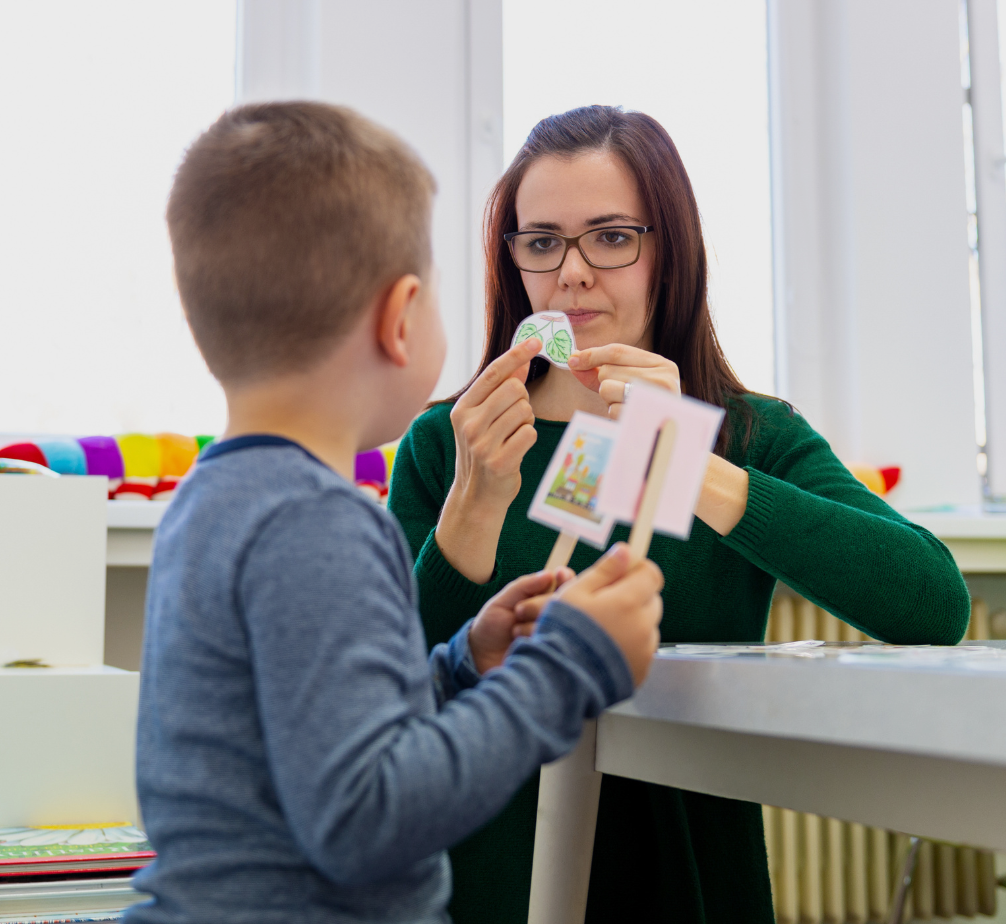
Learning a new language doesn’t have to feel like homework. When children enjoy the process, they absorb words faster, stay motivated, and develop a lifelong love for languages. Here’s how to make it effortless and exciting:
1. Turn Learning into Play
Why? Kids learn best when they don’t realize they’re learning.
- Games:
- “Simon Says” in Spanish/French
- Flashcard races (who can shout the word first?)
- Charades with vocabulary
- Tech Fun:
- Duolingo Kids (gamified lessons)
- Language-learning Minecraft mods
🎲 Pro Tip: Reward small wins with stickers or extra playtime!
2. Use Stories & Songs
Why? Brains remember stories and music better than lists.
- Watch cartoons in the target language (Peppa Pig, Pocoyo)
- Sing nursery rhymes (e.g., “Head, Shoulders, Knees and Toes” in Spanish)
- Read bilingual books (like “The Very Hungry Caterpillar” in two languages)
🎵 Try This: Replace their favorite song’s lyrics with simple translations.
3. Make It Social & Interactive
Why? Language is for communication—not just memorization.
- Role-play (pretend to order food, be spies using code words)
- Pen pals (via safe apps like Epic! or Global Penfriends)
- Family challenges (“Who can say 5 new words today?”)
🗣 Fun Twist: Record a silly “TV show” where they’re the host speaking the language.
4. Connect to Real Life
Why? Kids care more when it’s useful.
- Label the house (stick notes: “la puerta” = door)
- Cook together using a foreign recipe
- Travel (or pretend to!) Use Google Earth to “visit” countries
🌍 Bonus: If they love soccer, learn team chants in Spanish!
5. Short, High-Energy Sessions
Why? Kids have limited attention spans.
- 5-10 minute bursts (3x/day > 1 long session)
- Mix up activities (song → game → story)
- Stop before frustration (keep it positive!)
⏳ Golden Rule: Quit while they’re still having fun.
6. Add Movement & Senses
Why? Physical activity boosts memory.
- Jump for each correct word
- Draw vocabulary (act out “el gato” while meowing)
- Taste-test foods (“This is queso—say it before eating!”)
🖍 Kinesthetic Hack: Write words in shaving cream or sand.
7. Tech & Apps They’ll Love
| App | Best For | Why Kids Like It |
|---|---|---|
| Gus on the Go | Ages 3-8 | Adorable animations |
| StudyCat | Ages 4-10 | Playful speaking games |
| Mondly Kids | Ages 5-12 | AR animals that “speak” |
📱 Screen Time Win: Swap 15 mins of videos for language apps.
8. Celebrate Progress (Not Perfection)
- “You said 3 new words today—amazing!” > “You mispronounced this.”
- Badge system (e.g., “Spanish Spy Level 2 unlocked!”)
- Show off skills (call Grandma and teach her a word)
🏆 Pro Move: Let them “teach” you—reinforces learning.
9. Link to Their Dreams
- “Want to be a vet? Learn animal names in German!”
- “This YouTuber speaks 4 languages—you could too!”
🚀 Teen Hack: If they’re into K-pop, learn Korean together.
10. Be Their Learning Buddy
Kids mimic enthusiasm. Even if you’re a beginner:
- Learn alongside them (“Wow, this word is tricky for me too!”)
- Make mistakes on purpose (let them correct you)
💬 Key Phrase: “Let’s figure this out together!”
Free Resource:
📥 [Download Our “Language Adventure Calendar”]
- 30 days of 5-minute games
- Printable flashcards & rewards
- Bilingual joke of the day
Because laughing while learning = unstoppable motivation!
Final Thought
The secret? Stop “teaching” and start playing. When kids associate language with joy, they’ll ask to learn more.
Which tip will you try first?